Guides
UGC creator portfolio thresholds: what US brand reviewers check before a brief
The portfolio gates and thresholds US brand reviewers apply before a brief, plus production quality, business setup, cold outreach and seasonal planning.
What to take away
- US brand reviewers score a UGC portfolio against fixed gatesformat consistency, delivery proof, disclosure hygiene and a stated usage rights position.
- The numbers that move a brief are rework rate, first-pass approval share and time from portfolio view to a signed scope.
- Most failed portfolios fail on sound and light, not on camera price.
- Compliance and seasonality decide whether a signed brief becomes a repeat order.
UGC creator portfolio benchmarks are the gates US brand-side reviewers apply before a brief, covering pass rates, rework rates and time to first brief.
What US brand reviewers check in the first minute
Reviews start with a phone scan, not a read. The ad runs vertically, so reviewers open the link on a handset and judge the first row of clips.
First-Minute Portfolio Gates
- Formatsix or more vertical clips, one ratio
- Delivery prooftwo named clients with dates
- Rework rateunder one return in five deliverables
- Disclosurepartnership label visible in the clip
- Rightsusage window and territory stated
Slow loading, mixed aspect ratios and silent autoplay clips end the review early. Reviewers keep a shortlist open for barely a minute before they move to the next creator.
What reviewers check first
| Gate | Threshold reviewers apply | Fail trigger |
|---|---|---|
| Format | Six or more vertical clips in one ratio | Mixed ratios in the first row |
| Delivery proof | Two named clients with dates | Clips with no client or date |
| Rework rate | Under one return in five deliverables | Repeat caption or audio fixes |
| Disclosure | Partnership label visible in the clip | Label buried at the end of a caption |
| Rights | Usage window and territory stated | Unlimited use offered at no extra fee |
UGC portfolio metrics that predict a brief
Pass rate is the share of reviewed portfolios that reach a brief. Set the pass gate at one brief per three reviewed portfolios and treat anything lower as a packaging problem.
UGC Portfolio Metric Targets
- 1 in 3reviewed portfolios reach a brief
- 1 in 5deliverables maximum rework rate
- 1 in 10qualified views convert to a brief
- 3 weeksfast time to first brief
Rework rate matters more than raw output. A creator who returns fixes on more than one in five deliverables gets priced down, because the brand absorbs an extra review cycle.
UGC portfolio conversion rate is briefs divided by qualified portfolio views. Set the target at one brief per ten qualified views, then fix the first row before touching the rate card.
Time to first brief is the clock from portfolio view to a signed statement of work. Reviewers call anything inside three weeks fast.
The brand UGC portfolio checklist reviewers run
UGC creator portfolio standards repeat across brief templates, and a UGC creator portfolio review mirrors them line for line. A portfolio that answers the template before the call moves faster.
Brand Portfolio Review Checklist
- First rowsix vertical captioned clips with speech
- Client names or category labels with delivery dates
- One document listing usage, territory, exclusivity
- Media kit disclosure line naming paid partnership rule
- Rate card separating production fee from usage fee
Brand portfolio checklist
- A first row of six vertical clips, captioned, with audible speech
- Client names or category labels, each with a delivery date
- One document listing usage windows, territory and exclusivity terms
- A disclosure line in the media kit naming the paid partnership rule
- A rate card that separates production fee from usage fee
Media kits and contracts should carry disclosure language that matches the FTC guidance on disclosures for social media influencers. Contracts that omit the label create cleanup work for the brand.
Example: scoring a nine clip portfolio
Scoring a nine clip portfolio
- Open the link on a phone and time the load.
- Check the first row for one aspect ratio and clear speech.
- Read two client examples for dates and deliverables.
- Compare the rate card against the usage window requested.
- Note the rework history across the last three briefs.
A portfolio that clears all five steps usually reaches a paid test brief. One that stalls at step two rarely gets a reply.
Where production quality sets the ceiling
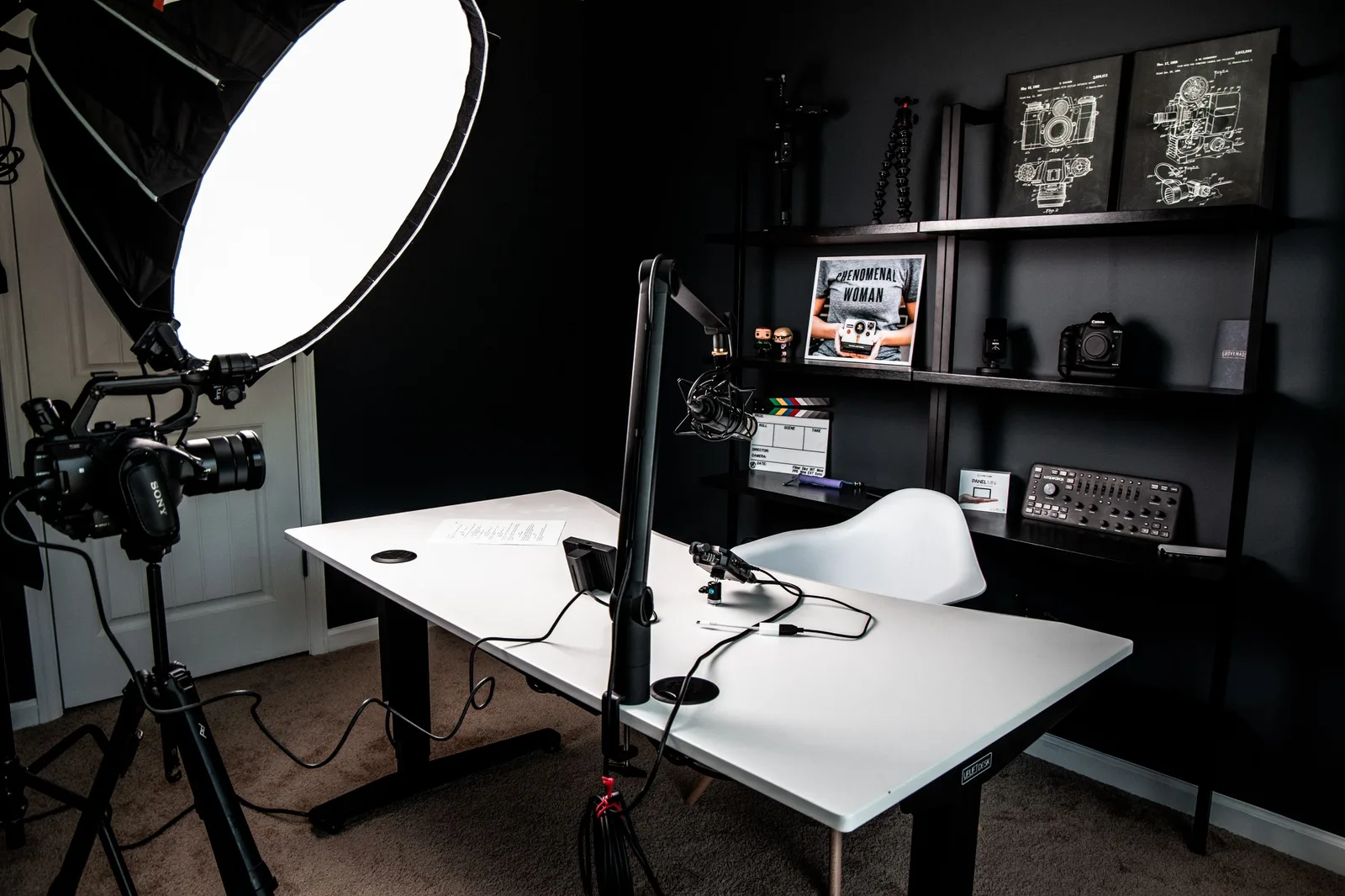
Gear price is not the gate. Clipped sound, flat lighting and a frame that crops the product decide whether a clip survives the first edit.
Reviewers rewatch the same three seconds: the product in hand and the spoken hook. If either is unclear, the clip is dropped even when the creator's metrics look strong.
UGC creator production quality rests on camera, light, sound, framing, edit and honesty, so read what each craft element changes.
What the business side costs a US creator
The portfolio is a business asset, so reviewers ask how the creator is set up. A single member LLC, a business bank account and filed quarterly estimates read as stable.
The simplified method for the home office deduction allows $5 per square foot, up to 300 square feet. Keep records for the dedicated area.
Camera and lighting upgrades usually come out of operations first. When cash flow is not enough, 3 SBA loan programs fund gear, payroll and working capital, and SBA microloans cap at $50,000.
Cold outreach that survives a compliance check
Cold pitches to brand managers are commercial email, which brings rules. Headers must be accurate, subject lines must match the content, and every message needs a working opt-out.
Opt-out requests must be honored within 10 business days, per the FTC CAN-SPAM compliance guide. That covers pitch sequences sent from a creator inbox.
Read the rules on cold email compliance under CAN-SPAM before any bulk send, and check consent rules for Canadian brands.
Seasonal planning and the brief calendar
Brand calendars often close two quarters ahead, and Midwest creators feel this first. A winter brief gets shot in October.
Midwest UGC calendars follow freeze dates, foliage peaks and retail cycles, so creators who shoot early hold inventory while others wait for the campaign to open.
GST/HST registration matters for Canadian clients, with a small supplier threshold of CAD $30,000. Cross border briefs should state who collects the tax.