Guides
UGC creators: platform models and license basics
UGC creators can compare four platform models and define license scope, paid use, whitelisting, exclusivity, and disclosure duties before signing.
What to take away
- Platforms fall into four models—open marketplaces, freelance marketplaces, managed agencies and software suites—and some platforms fit more than one.
- A flat fee buys the post; usage rights, whitelisting and exclusivity are separate line items you price separately.
- Disclosure is the creator's and the brand's shared duty under the FTC endorsement guides, and no platform contract moves it.
- Billo and Insense suit repeat product shoots; GRIN and Bazaarvoice suit brands that already run an in-house creator program.
- Track cost per usable asset, not follower count, when you compare what a platform actually returns.
- A license should name its term, channels, paid or organic use, whitelisting, exclusivity, and extension terms.
Define the usage license before quoting
Under US copyright law the creator owns the footage they shoot unless something in writing says otherwise, so the license is the document that decides what a brand may do with it. Two routes move ownership itself. Under the Copyright Act, a transfer of copyright ownership is not valid unless it is in writing and signed by the owner of the rights conveyed. A commissioned video counts as a work made for hire only in limited categories and only with a written agreement between the commissioning party and the creator; when it does, the commissioning party is the author and initial owner. Most UGC deals do neither, and grant a license instead.
A usage license for UGC work should name, clause by clause:
- Ownership.Whether the creator keeps copyright and grants a license, or assigns it in writing, or the deal is a written work-made-for-hire agreement.
- Term.Start date, end date and the renewal or extension price.
- Media and channels.Organic posting on the brand's own accounts, paid social, website, email, connected TV or print, each named.
- Territory.The countries or regions where the asset may run.
- Paid or organic use.Whether the brand may put ad spend behind the asset.
- Whitelisting.Whether ads may run from the creator's handle, on which ad accounts, and until when.
- Edits and derivatives.Whether the brand may cut, re-voice, caption, crop or combine the footage with other material.
- Exclusivity.Category, named competitors and end date.
- Termination and takedown.What happens to live ads and stored files when the term ends or either side ends the deal.
Creators whose brand deals show licensing at scale
These creators are widely covered examples of how brand integrations, owned products and long-term partnerships turn content into licensed commercial assets:
- Emma ChamberlainYouTube creator and host of the Anything Goes podcast; founded Chamberlain Coffee in 2020. Study her brand integrations for long-form product storytelling.
- Charli D'AmelioTikTok creator; launched the Dunkin drink The Charli in 2020 and appeared in Hulu's The D'Amelio Show. Her deals show how a platform-native catchphrase becomes a retail product.
- Alix EarleTikTok creator and host of the Hot Mess podcast; appeared in the 2024 Sports Illustrated Swimsuit issue. She posts get-ready-with-me brand integrations that mix paid and organic placement.
- MrBeast (Jimmy Donaldson)YouTube creator; launched Feastables chocolate in 2022 and hosts Beast Games on Prime Video. His work shows how a creator-owned product line uses video inventory.
- Bretman Rockbeauty creator; published You're That Bitch in 2023 and served as a MAC Cosmetics ambassador. His brand work spans cosmetics, fashion and publishing.
- Patrick Starrrbeauty creator; founded ONE/SIZE Beauty in 2018 and has partnered with MAC Cosmetics. His deals show a creator moving from sponsored posts to an owned beauty line.
- Jackie Ainabeauty creator; founded FORVR Mood in 2020 and has partnered with Anastasia Beverly Hills. She is a reference for long-term brand partnerships and creator-owned product.
Platform models, grouped by who holds the client
The platforms below do different jobs. Some appear in more than one model, so the model matters more than any ranking.
Platform models compared
Open marketplaces
- Who holds client
- Brand picks
- How you're paid
- Fee or subscription
- Best for
- Repeat product video
- Weakness
- Public briefs
- Examples
- Billo, Insense
Freelance marketplaces
- Who holds client
- Buyer sets scope
- How you're paid
- Per order cut
- Best for
- Filling gaps
- Weakness
- Client re-posts brief
- Examples
- Fiverr, Upwork
Managed agencies
- Who holds client
- Account team
- How you're paid
- Production budget
- Best for
- Finished assets
- Weakness
- Higher cost
- Examples
- Vidsy, TRIBE
Software suites
- Who holds client
- Brand runs program
- How you're paid
- Tool subscription
- Best for
- Own creator program
- Weakness
- No sourcing done
- Examples
- GRIN, Aspire
Open marketplaces post briefs publicly. Creators apply, the brand picks, the platform takes a fee or a subscription. Fifteen platforms work this way:
The 25 platforms
- Billo
- Insense
- JoinBrands
- Collabstr
- Cohley
- MiniSocial
- Creator.co
- Trend
- Influee
- Brands Meet Creators
- Twirl
- Stack Influence
- Social Native
- TRIBE
- Popular Pays
Billo and Insense built their name on repeat product video for consumer brands. Collabstr and JoinBrands skew toward one-off posts at lower budgets.
Cohley and Stack Influence run product-seeding programs where the sample is part of the payment.
Freelance marketplaces sell creator work beside every other service. Fiverr UGC and Upwork UGC sit here. You set the price, the buyer sets the scope, and the platform takes a cut of each order. Useful for filling gaps, weak for retainers because the client can re-post the same brief to a cheaper seller.
Managed agencies assign an account team and hand back finished assets. Vidsy, Social Native and TRIBE run this way at brand budgets. You pay for production and coordination, not for access alone.
Software suites sell to brands running their own creator program. GRIN, Aspire, #paid, Skeepers, Bazaarvoice Creator Network and Passionfroot are tools. They handle sourcing, contracts, shipping and reporting. The brand still negotiates every rate. Passionfroot leans toward smaller creators booking their own brand deals.
!image
How to price the work
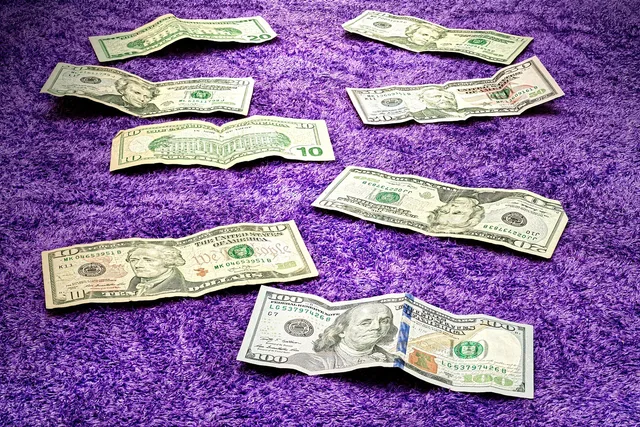
No platform publishes a rate that holds across categories, so price the work in parts. A UGC video fee covers the shoot and the edit. Usage rights cover how long the brand may run it and where. Whitelisting covers paid ads run from your handle. Exclusivity covers what you cannot promote next.
Pricing a UGC video in parts
- 4billable parts asset, usage, whitelisting, exclusivity
- Asset fee = day rate / assets per day
- Usage fee = asset fee x multiplier x months
- Break-even = total fees / hours worked
Ask for each part separately. A brand that wants six months of paid social usage on a video shot for a flat fee is buying a second product at the first product's price.
The arithmetic is yours to fill in:
- Asset fee = your day rate ÷ assets delivered per day
- Usage fee = asset fee × usage multiplier × months licensed
- Whitelisting fee = asset fee × whitelisting multiplier
- Break-even = total fees ÷ hours worked, including briefs, revisions and invoicing
If break-even lands under your target hourly, the brief is underpriced, not the market. Raise the usage line before you raise the asset line; brands resist the second and often accept the first.
Where the platform rules bind
Every platform publishes its own terms on branded content, and those terms change. TikTok, Instagram and YouTube each require creators to switch on a paid-partnership label when a brand pays or supplies free product. The label is a platform tool, not a legal disclosure, and it does not replace a spoken or written disclosure in the video itself.
The FTC endorsement guides, codified at 16 CFR Part 255, require clear disclosure of material connections, and both the brand and the creator carry responsibility for truthful claims. Read the Federal Trade Commission endorsement guides, then have a licensed attorney review your own contract template. Nothing here is legal advice.
Tax and entity questions follow the same pattern. The IRS sets 1099-NEC reporting and quarterly estimated payments; a CPA applies them to your numbers. Sales-tax nexus depends on your state revenue department, not on a general rule.
How to run a platform test before committing
Pick two platforms from different groups and run the same brief through both. Track four measures:
- Cost per usable asset, including platform and reshoot costs
- Time from brief acceptance to delivery
- Reshoot rate
- Days from delivery to payment
Four numbers to track per platform
- Cost per usable approved asset
- Days from brief to approved delivery
- Share of briefs needing reshoot
- Repeat rate within 90 days
Compare after ten jobs, not two. A marketplace with fast delivery and a high reshoot rate costs more than a slower one that gets it right.
Keep the client relationship yours where you can. A platform that owns the brand contact can raise its fee, change its terms or close, and your pipeline goes with it. That is the argument for starting your own UGC creator business rather than renting access to someone else's roster.
Usage extensions: the pricing formula
A brand books one 30-second video for organic posting. Three months later it asks to run the same video as paid social for a year.
Pricing a usage extension
- Month 0Brand books 30-second video for organic
- Month 3Brand asks for paid social, one year
- QuoteBase x 1.5 x 12 months, less organic window
- ContractExtension rate written in original agreement
The asset fee is already paid. The extension is a new license. If your usage multiplier is 1.5 and the asset fee was your base unit, the extension prices at base × 1.5 × 12 months, less whatever organic window you already granted. Quote it as a line item with a start and end date.
Creators who say yes to the extension for free train the brand to expect it. Creators who quote it keep the asset earning. Put the extension rate in the original contract so the conversation is a signature, not a negotiation.
Common questions
Do I need a platform at all?
No. Platforms sell access and admin. If you can source brand deals yourself and invoice them, you keep the fee. Most creators start on a marketplace and move off it once repeat clients cover their month. The audience growth guide covers the inbound side of that shift.
Which platforms are worth paying for?
Pay for the one that removes the task you are worst at. If sourcing is your gap, an open marketplace earns its fee. If contracts and shipping are the gap, a software suite does. If you want finished assets and no coordination, a managed agency is the only model that fits.
How do I check a platform before joining?
Read its published creator terms, its payment schedule and its usage-rights default. Check the SBA business guide for the contract and payment basics any vendor relationship needs. Confirm current ownership and policies directly, since platforms get acquired and terms change. For rate context by market, the BLS wage tables give metro-level figures you can sanity-check against.