Guides
Miami and the cross-border UGC campaigns that serve Latin American brands
Miami creators win Latin American brand deals by pricing usage rights, naming the exchange rate, and planning shoots around hurricane season.
What to take away
- Miami sits between U.S. production standards and Latin American brand budgets, which is why Mexico City, Bogota and Sao Paulo agencies brief Miami creators first.
- Quote usage rights and exclusivity as separate line items, never folded into the base deliverable fee.
- Name the invoice currency, the exchange rate source, the payment date and who absorbs bank fees before you sign anything.
- Some Latin American payers withhold tax on payments to U.S. creators; the rate depends on the payer's country and any treaty with the United States.
- Atlantic hurricane season runs June 1 to November 30, so build a buffer week into any shoot quoted for August through October.
Currency and tax checklist
- Confirm the invoice currency and who pays conversion fees.
- Compare the offered rate against the mid-market rate on payment day.
- Ask whether the payer's country withholds tax from foreign creators.
- Request the withholding certificate if tax is deducted.
- Record the exchange rate used on the payment date.
- Set aside a percentage of each payment for U.S. self-employment tax.
- Keep contracts and payment records for at least three years.
Why Miami carries cross-border campaigns
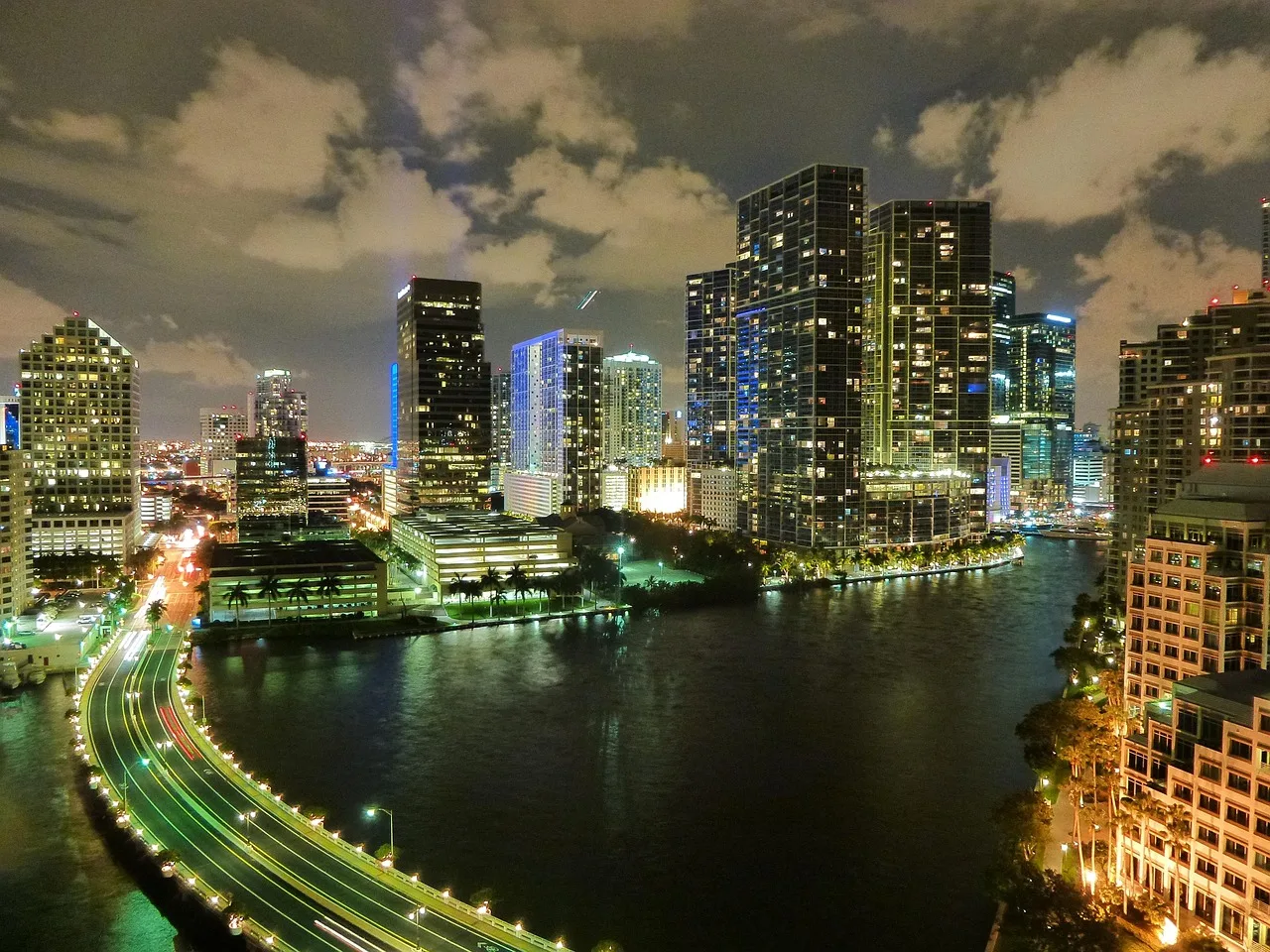
Agencies in Mexico City, Bogota and Sao Paulo brief Miami creators because shipping, travel and time zones are simpler than working with talent in Los Angeles or New York. Miami is a two-and-a-half hour flight from Bogota and on the same clock as New York, so a brand manager can approve a cut in the same working day.
Miami vs LA/NY for LatAm brands
Miami
- Flight from Bogota
- 2.5 hours
- Time zone
- Same as New York
- Language
- Bilingual, majority Hispanic
- Role
- Test market before U.S. rollout
Los Angeles / New York
- Flight from Bogota
- Much longer
- Time zone
- Offset from LatAm
- Language
- Less bilingual
- Role
- Full-market launch
The city's population is majority Hispanic and heavily bilingual. One creator can shoot Spanish content for a Colombian skincare brand in the morning and English content for a U.S. retailer in the afternoon without leaving the county.
Latin American brands also use Miami as a test market before expanding north. A campaign that performs with Miami's bilingual audience often justifies a wider U.S. rollout, which turns one deliverable into a retainer.
The wider creator market is described on Influencer marketing - Wikipedia. Where creator businesses grow fastest varies by market, and markets for UGC creator sets out that comparison.
Deal structures Latin American brands actually use
Three structures cover most cross-border work: flat fee per deliverable, monthly retainer, and performance bonus on a base rate. Flat fees dominate first campaigns because they are simple to approve internally.
Worked example: $1,200 base to $1,850
- $1,200Three short videos, base fee
- $400Added for six months paid usage
- $250Added for 30 days category exclusivity
- $1,850Total signed on a one-page agreement
Typical rates for Miami cross-border work run from about $300 to $800 per short video on organic usage only, rising to roughly $900 to $2,500 per video when paid usage and exclusivity are included. Treat those as typical market ranges, not published figures; your own rate depends on category, audience and the usage window.
Payment timing matters more than the headline number. A brand paying in 90 days at a high rate can be worse than one paying in 30 days at a lower rate, especially when you fund production costs yourself.
Your agreement should name four things: the currency, the exchange rate source, the payment date, and who absorbs bank fees. Miss any one and you are negotiating after delivery.
Usage rights deserve their own line. A brand that wants your content on its own channels for six months is buying a licence, not a deliverable. Exclusivity is a second line: a 60-day bar on competitor work is a restriction you price, not a favour you grant.
Before signing, review the contract clauses every UGC creator should check, including usage windows and exclusivity scope.
A worked example
A Miami creator quotes a Mexican beverage brand $1,200 for three short videos. The brand asks for six months of paid usage and 30 days of category exclusivity. The creator adds $400 for usage and $250 for exclusivity, bringing the total to $1,850. Both sides sign a one-page agreement listing currency, rate source and payment date.
Currency conversion and withholding tax
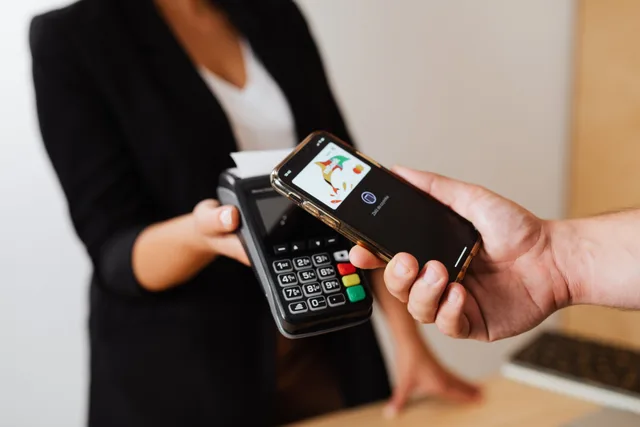
How you get paid decides what you keep. A Mexican brand paying pesos into a U.S. account converts at your bank's rate, which usually sits worse than the mid-market rate. Ask for U.S. dollars, use a multi-currency account, or invoice through a platform that shows the rate before you accept.
Currency and withholding tax checklist
- Confirm invoice currency and who pays conversion fees
- Compare offered rate against mid-market rate
- Record which rate applied on payment date
- Request withholding certificate from the brand
- Set aside tax from every payment
Compare the offered rate against the mid-market rate on the payment date. Record which rate applied.
Withholding is the part most creators miss. Some Latin American countries withhold tax on payments to foreign creators, and the rate depends on the payer's country and whether a treaty with the United States applies.
Mexico's income tax treaty with the United States caps withholding on royalties at 10 percent, the rate that applies to content licences. Colombia has no income tax treaty with the United States, so a Bogota payer withholds under domestic rules, commonly 15 percent on service payments, though the figure depends on the payment type.
Rates and treaty terms change, so confirm the current figure with a CPA before you quote a net number.
If tax is withheld, you may be able to claim a foreign tax credit, but only with the withholding certificate the brand issues. No certificate, no credit.
The IRS publishes filing and estimated payment rules for independent workers in its Self-employed individuals tax center. U.S. brands report payments to Miami creators on About Form 1099-NEC, Nonemployee Compensation. Cross-border income still counts as self-employment income, so set aside tax from every payment. Confirm your own treatment with a CPA.
Building a bilingual portfolio that sells
A bilingual portfolio is one body of work, not two decks stapled together. It shows a buyer you can move between markets without losing tone.
Group case studies by language and by market. A Colombian brand wants Spanish content that performed with Colombian or Miami audiences. A U.S. brand wants English content that converted. Label every sample with language, market and result: "Spanish, Mexico, 4.2 percent engagement" tells a buyer what they are looking at.
Keep your rate card in both languages. Brand managers forward decks to colleagues who speak only one language, and a deck those colleagues cannot read gets shelved.
Rights and usage decide which clips you may show at all, and the sponsorship and rights guide covers how those terms get set.
Portfolio checklist
Bilingual portfolio checklist
- Spanish and English samples in the same deck
- Market labels on each sample
- Performance numbers where you have them
- Rate card in both languages
- Contact details that work for international calls
- Short bio stating bilingual capability
- One deck with two labelled sectionsSpanish samples and English samples, each tagged with market and result.
- Every sample labelled with language, market and one number, such as "Spanish, Mexico, 4.2 percent engagement".
- Rate card in both languages, with usage and exclusivity priced as separate lines.
- A short "how I work" pagewhat you need to start, delivery time and accepted payment methods.
- Written confirmation that you hold rights to display each clip, with the usage window noted.
- A quarterly review date, so stale rates and expired usage windows get replaced.
Hurricane season and shoot scheduling
Atlantic hurricane season runs June 1 through November 30, and Miami sits in the risk zone. NOAA's season outlook shows that even a below-normal season produces damaging storms.
The operational issue is scheduling. Outdoor shoots, brand events and travel to Latin America for in-person work can all be disrupted. Build a buffer week into any campaign quoted for August through October.
Keep a backup setup that needs no travel: a ring light, a clean wall, a lavalier microphone. That carries a campaign when a shoot day is lost.
Latin American brands often do not know Miami's storm calendar. If you quote a September shoot, say so and offer the indoor alternative in the same email. That conversation protects the relationship.
Creators entering new regions face constraints of their own, and UGC creator expansion explains how to plan around them.
What makes a portfolio travel across markets
A portfolio that works in Miami, Mexico City and New York does three things: it reads in two languages, it shows results in more than one market, and it states payment terms up front.
Cross-border buyers are risk-averse. They are spending budget in a currency that may move against them, paying a creator in another country, and answering to a finance team that wants clean paperwork. Your portfolio can lower that perceived risk.
Add a short section on how you work: what you need to start, how long delivery takes, which payment methods you accept. That operational detail separates you from creators who show only finished video.
Benchmark your rates against peers using UGC creators. A benchmark helps you hold a rate when a brand pushes back.
Update the portfolio every quarter. Currencies move, tax rules shift, brand priorities rotate. A portfolio that is six months stale reads as a creator who stopped working.
Common questions
Do I need to register a business in Florida to work with Latin American brands?
Many Miami creators operate as sole proprietors, and an LLC can simplify contracts and banking. Structure choice affects tax and liability, so confirm it with a CPA before you file anything.
How do I handle a brand that wants to pay in pesos?
You can accept pesos, but fix the exchange rate source and who pays conversion fees before the invoice goes out. Many creators quote in U.S. dollars to remove rate surprises.
What happens if a Latin American brand withholds tax from my payment?
You may be able to claim a foreign tax credit on your U.S. return, but only with the withholding certificate the payer issues. Keep that document with your payment records and confirm the treatment with a CPA.
When should I avoid scheduling Miami shoots?
August through October carries the highest storm risk. If you must shoot then, keep an indoor backup plan and add a buffer to your delivery dates.