Guides
Capital for a UGC creator business: what it takes and where it comes from
A UGC creator business needs money for gear, editing software, insurance and slow-paying brand invoices, and it comes from savings, client deposits or a microloan.
What to take away
- Capital for a UGC creator business comes in four kindsgear and editing tools, liability insurance, a cash buffer for slow brand payments, and money for the unpaid weeks before the first invoice clears.
- Funding comes from personal savings, deposits collected before filming, and a business credit card.
- Other sources include an SBA microloan, a Kiva US loan, grants, or revenue from your first paying brand clients.
- A 50 percent deposit before the shoot is the cheapest form of working capital a creator has, because it costs nothing and removes the invoice wait.
- Price each deliverable so the long jobs, reshoots and rejected cuts are already covered.
- Track one number monthlyhow many days pass between delivery and payment landing in your account.
This article covers general business information for UGC creators, not tax, legal or platform advice for your situation. Confirm your own obligations with a CPA, a licensed attorney, and the FTC's endorsement guidance.
What capital a UGC creator business actually needs
Capital here means money you must spend or hold before a brand pays you. Four buckets cover almost every new creator.
Startup capital buckets
- Gearunder $500
- Insurance$400-$1,000/year
- Cash buffer$2,000-$5,000
- Editingfree-$295
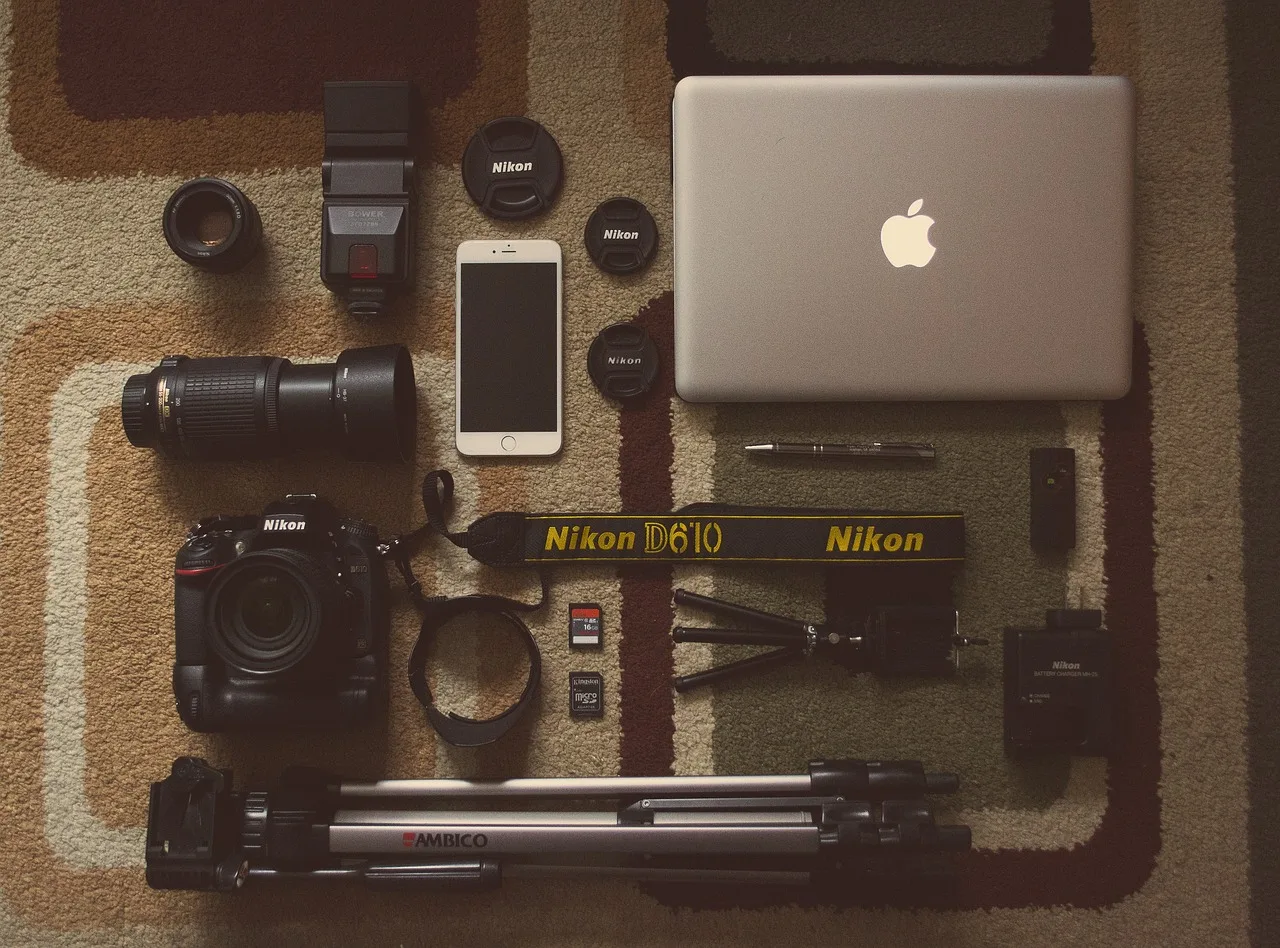
Gear comes first. A phone with a decent camera, a tripod, a clip-on microphone and two lights is the whole filming setup for most UGC work. You do not need a studio. Typical gear spend runs $60 for a microphone, $40 for a tripod, and $70 to $150 for lights, so under $500 total.
Editing tools come second. CapCut is free and handles most vertical edits. Adobe Premiere Pro costs $22.99 per month. DaVinci Resolve is free, and DaVinci Resolve Studio is a $295 one-time license. Descript starts around $12 per month and suits creators who talk on camera and want text-based cuts.
Insurance comes third. General liability coverage is what most brand contracts ask to see. A commercial policy for a solo creator is a real line item, typically $400 to $1,000 a year in most US markets. Price depends on your state and coverage limit, so get a quote rather than a guess.
A cash buffer comes fourth. Brands pay on 30, 60 or 90 day terms. You film in week one and see money in month two. A typical new creator buffer is $2,000 to $5,000, or two months of personal expenses plus one unpaid invoice. That gap is the capital problem most creators underestimate.
Where UGC creator funding comes from
Ranked by how fast a new creator can get it:
Funding options compared
Savings
- Speed
- Instant
- Cost
- None
- Amount
- $1k-$3k
Client deposit
- Speed
- Instant
- Cost
- None
- Amount
- 50% upfront
Credit card
- Speed
- Days
- Cost
- 18-25%
- Amount
- Varies
SBA microloan
- Speed
- Weeks
- Cost
- 8-13%
- Amount
- Up to $50k
- Personal savings.No application, no interest, no approval wait. Most creators start here. Typical first-year need is $1,000 to $3,000 for gear and software.
- Client deposits.Ask for 50 percent before the shoot. This is the cheapest working capital available and it comes from the client, not a lender. A $1,000 job funds $500 up front.
- A business credit card.Chase Ink Business Cash and American Express Blue Business Cash are common options. They cover gear and software while invoices are outstanding. They often carry 0 percent intro APR for 12 months, then a variable rate often 18 to 25 percent. Carry a balance and the interest eats your margin.
- An SBA microloan.The Small Business Administration backs loans up to $50,000 through approved lenders. The average SBA microloan is about $13,000, with terms up to six years and rates often 8 to 13 percent. Lenders include Accion Opportunity Fund and CDC Small Business Finance. Its business guide explains eligibility and how to apply.
- Kiva US.Kiva US offers 0 percent interest loans up to $15,000 with no fees. Repayment terms run up to 36 months. The money is crowdfunded, so approval depends on your network and profile.
- Grants.The Amber Grant awards $10,000 monthly to women-owned businesses. FedEx Small Business Grant Contest has a $50,000 grand prize. Comcast RISE has awarded $10,000 grants to small businesses.
- Revenue from early clients.Slow, but it compounds. Every paid deliverable funds the next one.
The IRS starting a business page covers structure and recordkeeping choices that affect how you hold that money.
The disclosure cost nobody budgets for
Sponsored content carries a compliance obligation. Getting it wrong is expensive in a way a gear budget never is.
The FTC's guidance on endorsements, influencers and reviews explains that a material connection between you and a brand must be disclosed clearly. Both the brand and the creator stay responsible for truthful claims.
Budget time as well as money. Every sponsored deliverable needs a disclosure line in the script, checked before filming, not after. Build that check into your workflow so it never becomes a reshoot.
The workflow your capital has to cover
Each step below costs either time or money, and the slow ones are where a thin buffer breaks.
UGC workflow steps
- Brief review and research
- Concepting and script writing
- Rights and disclosure review
- Filming and editing
- Approval and revision
- Delivery and usage tracking
- Invoicing and portfolio update
Two of those steps are the ones creators skip and regret. Rights review decides whether the brand can run your clip as a paid ad and for how long, which is a separate fee from the content itself. Usage tracking is how you notice an expired license and charge for the extension.
If you cannot name which formats you deliver reliably, that is a pricing problem before it is a capital problem. Test a few from this list of UGC creator content formats and price only the ones you can repeat.
Worked example: the first six months
A creator starts with a phone, a $60 microphone, a $40 tripod and free editing software. Total gear spend stays under a few hundred dollars, roughly $200 to $500 with lights.
First six months cash flow
- Month 1One client, half deposit upfront
- Month 2Second client on 60-day terms
- Month 3First pays, second outstanding, third wants shoot now
Month one brings one brand client at a flat rate. The creator asks for half up front. That deposit covers the gear and leaves a small cushion.
Month two brings a second client on 60 day terms. The creator films both jobs, pays for a subscription editing tool, and waits. Rent is due before either invoice.
Month three is the crunch. The first client pays, the second is still outstanding, and a third brand wants a holiday campaign shot now. The creator either funds the shoot from the first payment or turns the work away.
The operators who survive this priced each deliverable to absorb the slow months, collected deposits every time, and kept a written record of what each client is licensed to do with the footage.
For the planning side, see what a UGC creator business plan should contain, and for the launch sequence itself, read this UGC creator business market entry for new owners.
Common questions
How much money do I need before I start?
Enough to cover your gear, one year of insurance, one editing subscription, and roughly two months of personal expenses. The exact figure depends on your rent and your state, so build it from your own numbers rather than a published average. Typical range is $1,000 to $3,000 for gear and software, plus $400 to $1,000 for insurance.
Do I need a loan to start?
Most creators do not. Savings plus a client deposit covers a phone-based setup. A microloan makes sense when you are turning down work because you lack equipment or editing capacity, not before.
What is the biggest capital mistake new creators make?
Spending on gear before confirming demand. A second camera does not help if you have no brand clients. Sell one deliverable first, then buy the tool that removes the bottleneck you actually hit.
How do I get paid faster?
Ask for a deposit before filming and set net 30 terms in writing.
If a brand insists on 60 or 90 days, price the job to reflect that wait, because you are financing their campaign.
Before you take on that first paying client, work through this Launching a UGC creator business into a real market so your pricing and payment terms are set from day one.